
5 Crucial Habits to Prevent Knee Replacement Surgery
Osteoarthritis and progressive joint wear affect millions worldwide, but total knee replacement surgery isn't always inevitable. By adopting specific physiological adjustments early, you can significantly prolong the lifetime of your cartilage and maintain pain-free mobility.
Doctor's Insight Note
Joint conservation is always the first line of defense. The cartilage lining your joints does not have its own blood supply; it relies on motion and synovial fluid to receive nutrients. Active prevention is the best treatment!
1 Weight Management: The 1:4 Load Ratio
Many people underestimate the mechanical forces loaded onto the knees. During normal walking on level ground, the force exerted on your knees is approximately 1.5 times your body weight. However, when going up or down stairs, this load increases to **3 to 4 times your body weight**.
"For every single pound of body weight you lose, you remove 4 pounds of pressure/load on your knee joints."
Losing just 10 pounds can reduce up to 40 pounds of repetitive load per step. This drastically slows down cartilage erosion and preserves the joint's shock-absorbing qualities over time.
2 Prioritize Low-Impact Aerobic Exercises
Running on hard concrete surfaces generates high-velocity shockwaves that travel up the tibia, creating micro-cracks in worn cartilage. To keep your joints moving without causing friction, switch to low-impact workouts:
- Swimming & Water Aerobics: Buoyancy relieves gravity's pressure entirely while water resistance strengthens muscles.
- Cycling (Stationary or Outdoor): Dynamic rotational movements encourage synovial fluid circulation to nourish cartilage.
- Elliptical Trainers: Smooth gliding tracks prevent the sharp impact forces of traditional running.
3 Build Strong Quadriceps and Hip Abductors
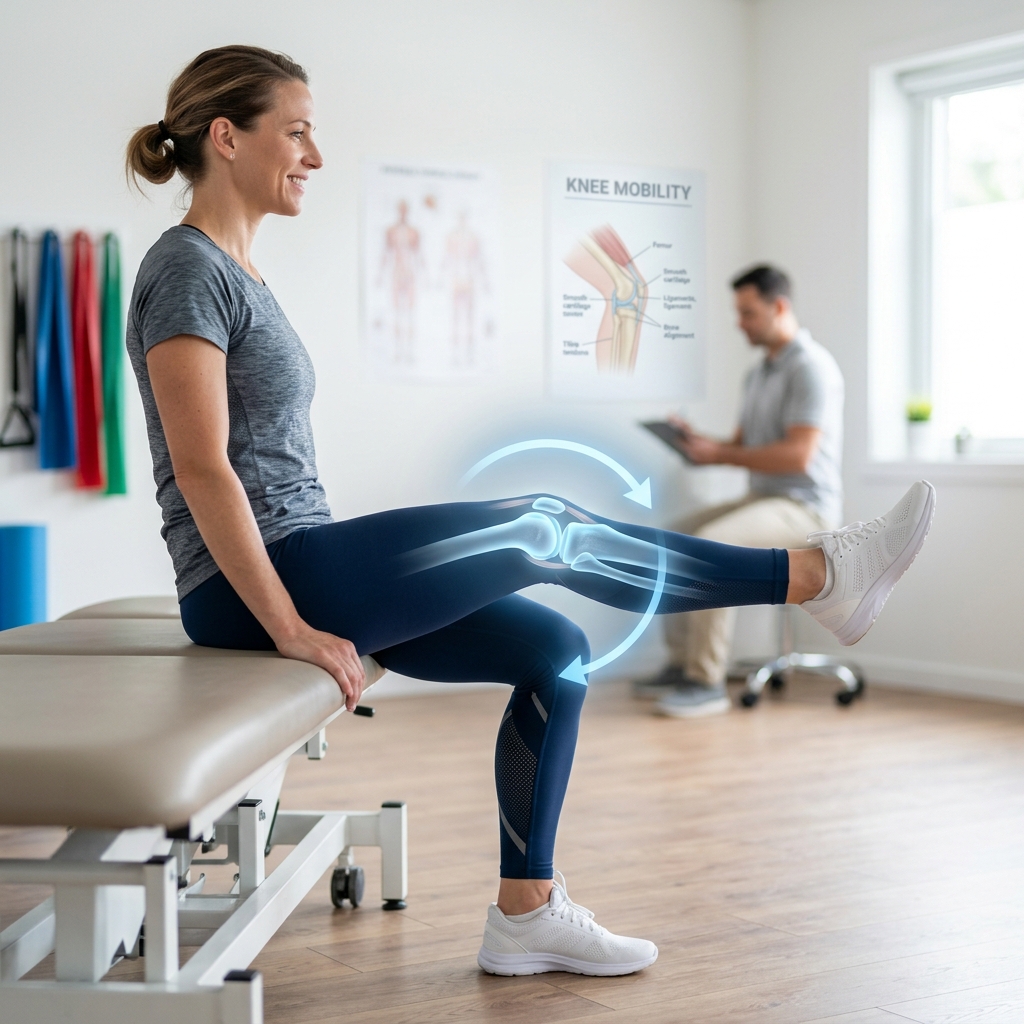
Your thigh muscles (quadriceps) and glutes act as the primary stabilizing framework for your knees. When these muscles are weak, all load is transferred directly onto the cartilage, causing bone-on-bone friction.
Focusing on quadriceps strengthening—specifically targeting the Vastus Medialis Oblique (VMO)—keeps the patella tracking smoothly in its groove and prevents lateral misalignment.
4 Optimize Bone Nutrition (Vitamin D3, Calcium, Synovial Support)
Healthy bone density supports the subchondral bone layers directly beneath your joint cartilage. Ensure you have:
- Calcium: The fundamental block for bone strength.
- Vitamin D3: Crucial for calcium absorption. Lack of Vitamin D causes bone softening and increases joint aches.
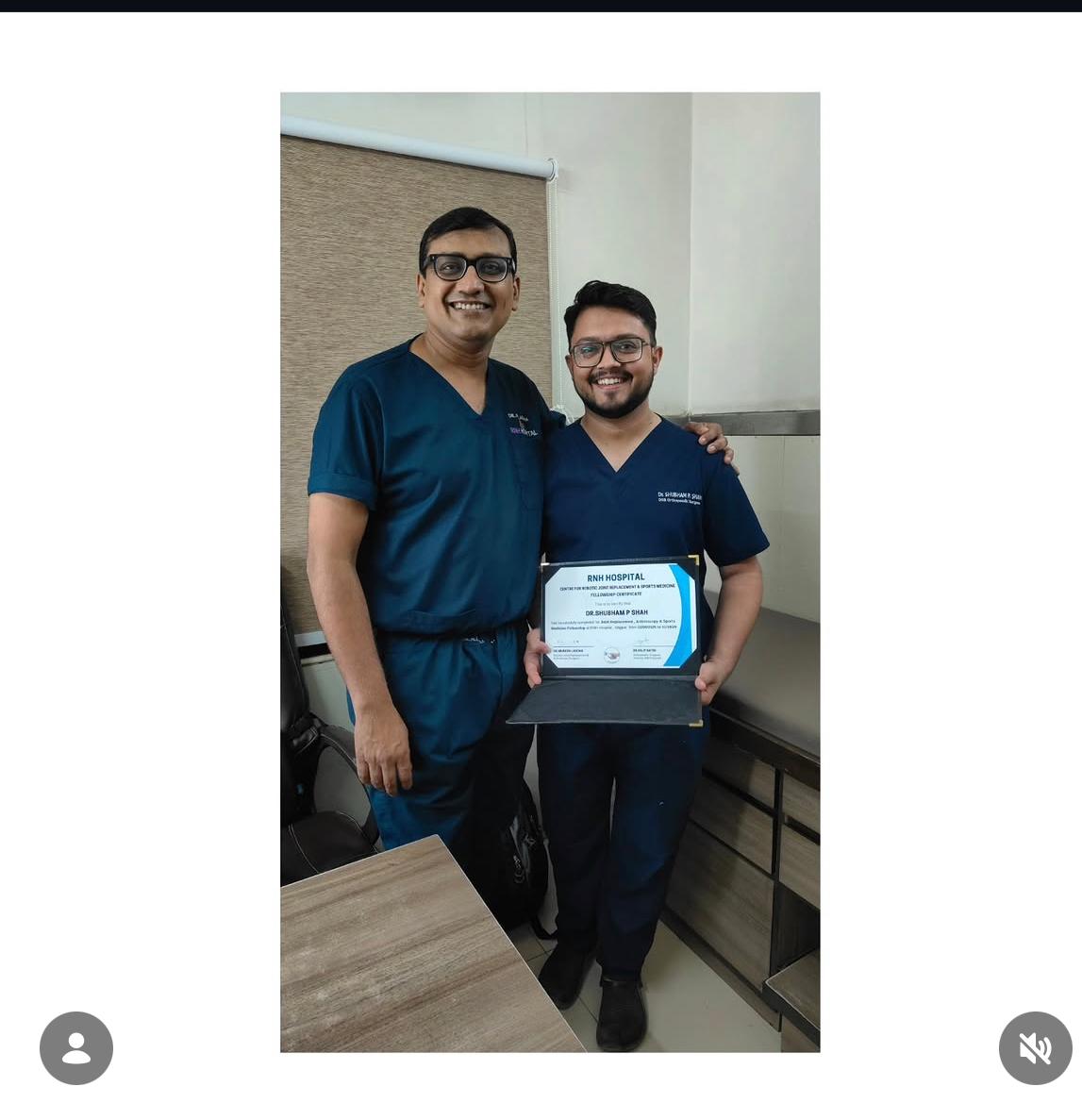
- Cartilage Protectors: Consult Dr. Shubham Shah regarding the benefits of Glucosamine, Chondroitin, or Undenatured Type-II Collagen peptides to support joint cushion structure.
5 Early Medical Consultation & Non-Surgical Cartilage Therapies
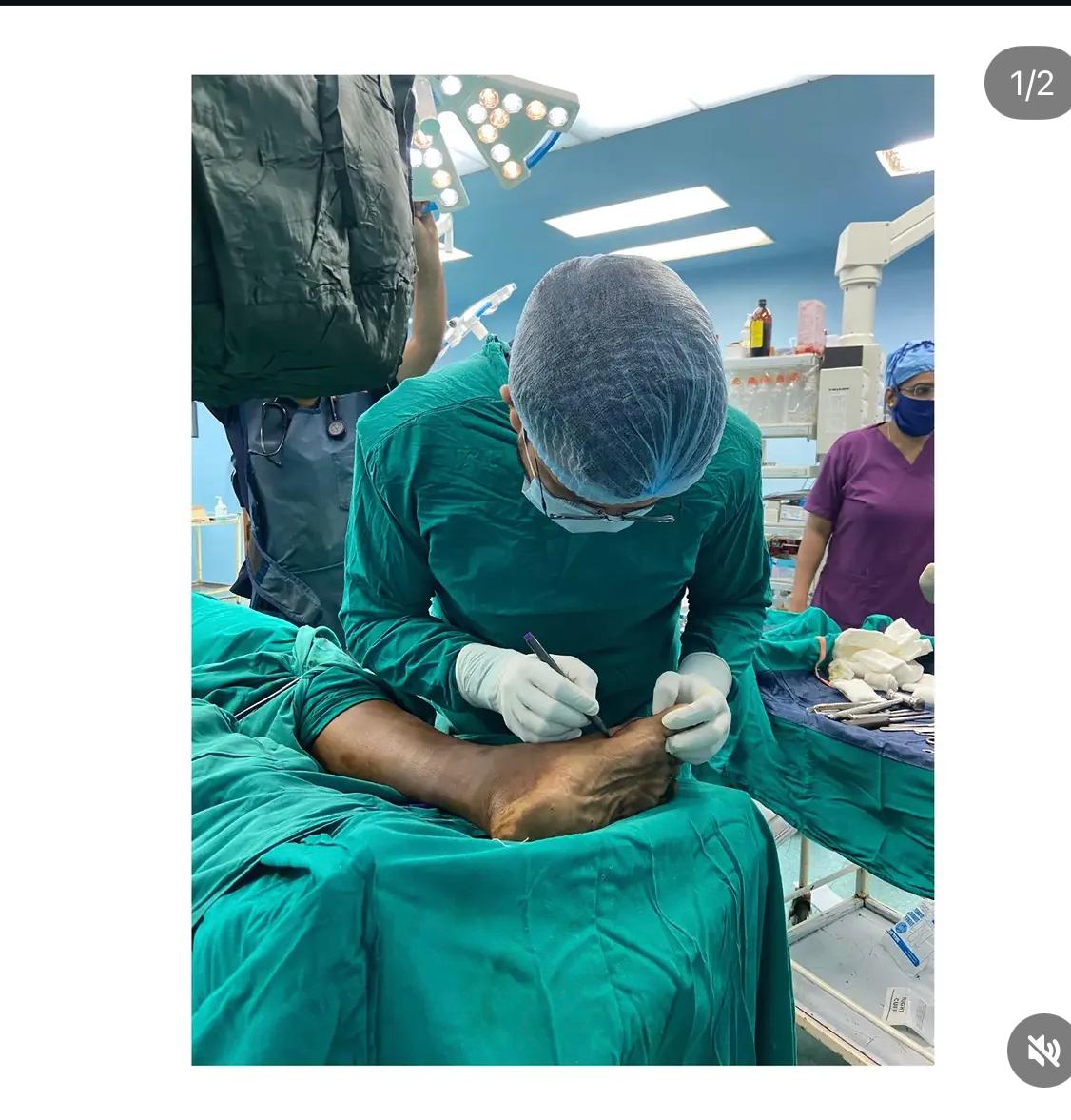
Do not wait until you develop a severe limp or permanent flexion deformity. If you experience knee stiffness in the morning or mild grinding sounds (crepitus), consult Gautam Orthocare early. Modern non-operative treatments include:
- Viscosupplementation: Hyaluronic acid injections to lubricate and cushion the joint.
- Targeted Physiotherapy: Custom exercise plans to correct gait patterns and alignment.
- Bracing: Offloader braces to shift the weight distribution away from worn-out joint compartments.
Need a professional knee assessment?
Book an appointment directly with Dr. Shubham Shah today.
Strengthening Your Quadriceps: A Doctor's Guide to Knee Support
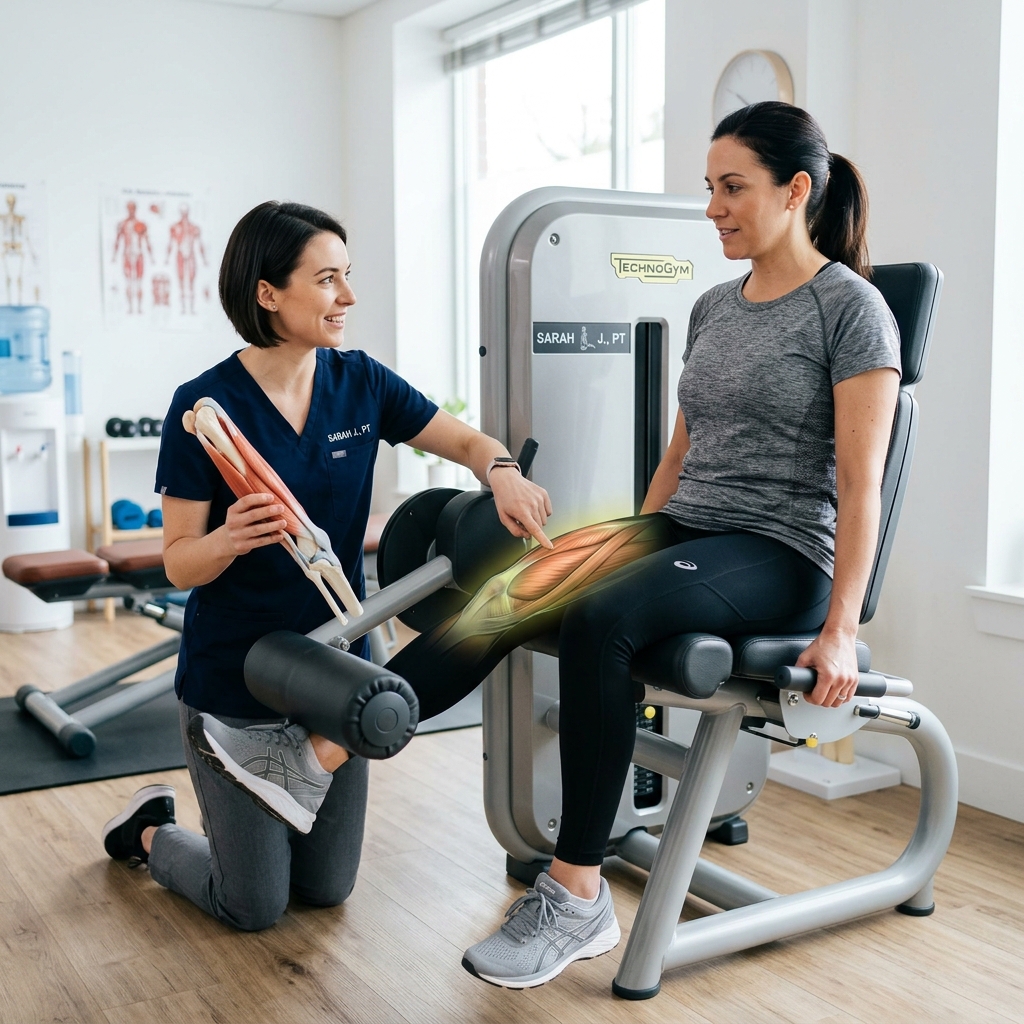
Your thigh muscles act as natural shock absorbers for your knee joint. When your quadriceps are weak, every step transmits high-velocity impacts directly into your bone surfaces. Learn the safe, doctor-approved exercises to stabilize your knee.
Why Muscle Strength Matters
A strong quadricep muscle group acts like a suspension system in a car. It actively absorbs the impact when you jump, walk, or run, protecting the sensitive hyaline cartilage underneath.
1 Straight Leg Raises (SLR)
This exercise is excellent because it builds quadriceps strength without placing any load or pressure on the knee joint surface.
How to perform:
- Lie flat on your back on a firm mattress or exercise mat.
- Bend one knee at a 90-degree angle, keeping that foot flat on the floor to support your lower back.
- Keep the other leg completely straight. Flex your foot towards your face.
- Slowly lift the straight leg about 12 inches off the floor. Keep it straight.
- Hold the position for 5 seconds, then lower it slowly. Do not let it drop.
- Perform 3 sets of 10 repetitions per leg.
2 Wall Squats (Limited Depth)
Wall squats are a closed-chain functional exercise that targets the quadriceps, hamstrings, and glutes simultaneously. Limiting the bending angle is critical to prevent kneecap strain.
How to perform:
- Stand straight with your back, shoulders, and head flat against a wall.
- Position your feet about 12 inches away from the wall, keeping them shoulder-width apart.
- Slowly slide your back down the wall until your knees are bent to an angle of no more than 45 to 60 degrees. (Avoid bending to 90 degrees to protect worn joints).
- Hold this position for 5 to 7 seconds. Feel your thigh muscles working.
- Slide slowly back up the wall to the starting position.
- Repeat for 10-15 reps.
3 Clamshells (For Hip Abductors & Alignment)
Strong hips prevent "knock-knee" alignment (valgus strain), which accelerates wear on the outer compartment of the knee joint.
How to perform:
- Lie on your side, stack your hips and knees, and bend your knees to a 90-degree angle.
- Rest your head on your arm or a pillow.
- Keeping your feet touching each other, slowly raise your top knee as high as comfortable without rotating your pelvis backward.
- Pause at the top for 2 seconds, then slowly close.
- Perform 3 sets of 15 repetitions on each side.
4 Terminal Knee Extensions (TKEs)
TKEs target the Vastus Medialis Oblique (VMO) directly, which is crucial for patellar tracking. They are highly recommended for rehabilitation from ACL injuries or knee replacement preparation.
How to perform:
- Anchor an elastic resistance band to a heavy post or door hinge at knee height.
- Step inside the loop of the band, placing the band behind your target knee (just above the fold).
- Face the anchor point. Step back until the band is taut.
- Start with your target knee slightly bent.
- Slowly push your knee backward to straighten your leg completely, stretching the band and squeezing your quadriceps.
- Hold for 3 seconds, then return to the starting bent position.
- Do 3 sets of 15 reps on each leg.
Experiencing knee pain during exercise?
Get a customized physical rehabilitation assessment.